The History of Italian Design from 1930 to 1980: From Rationalism to Radical Innovation
How Italian Mid-Century Furniture Shaped Modern Living Through Craftsmanship, Industry, and Vision
Italian design between 1930 and 1980 represents one of the most influential chapters in the history of modern furniture design. In these five decades, Italy transformed from a country rooted in artisanal traditions into a global reference for innovation, aesthetics, and industrial excellence. This evolution did not follow a linear path; instead, it reflected political changes, economic rebirth, technological experimentation, and a uniquely Italian ability to blend art, architecture, and everyday life.
The 1930s: Rationalism and Pre-War Foundations
The pre-war period was dominated by Italian Rationalism, an architectural and design movement that embraced clarity, function, and structural honesty. Furniture from the 1930s echoed these principles through clean lines, restrained ornamentation, and a focus on proportion. Designers such as Giò Ponti and Franco Albini began redefining domestic interiors, creating pieces that balanced elegance with utility.
During this decade, furniture production was still largely artisanal, yet there was a growing dialogue with modern industry. Materials like wood, tubular steel, and glass were used with precision rather than excess, anticipating the modernist ethos that would flourish later. These early catalog pieces laid the groundwork for what would become the Italian Mid-Century identity.
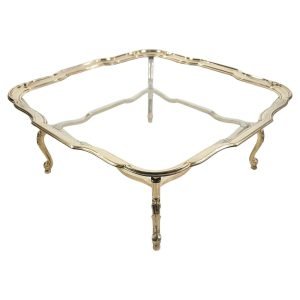
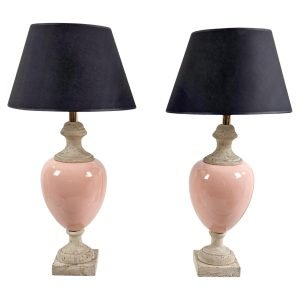
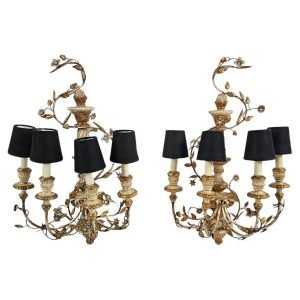
Post-War Reconstruction and the Birth of Modern Italian Furniture
After World War II, Italy entered a period of intense reconstruction that profoundly influenced design culture. Scarcity of resources encouraged experimentation, while social change demanded furniture that was affordable, functional, and adaptable to new living spaces.
The late 1940s and 1950s marked the true emergence of Italian modern design. Designers such as Carlo Mollino, Ico Parisi, and Gio Ponti produced furniture that combined technical innovation with sculptural elegance. This era saw the rise of lightweight structures, modular systems, and a renewed appreciation for craftsmanship enhanced by industrial processes.
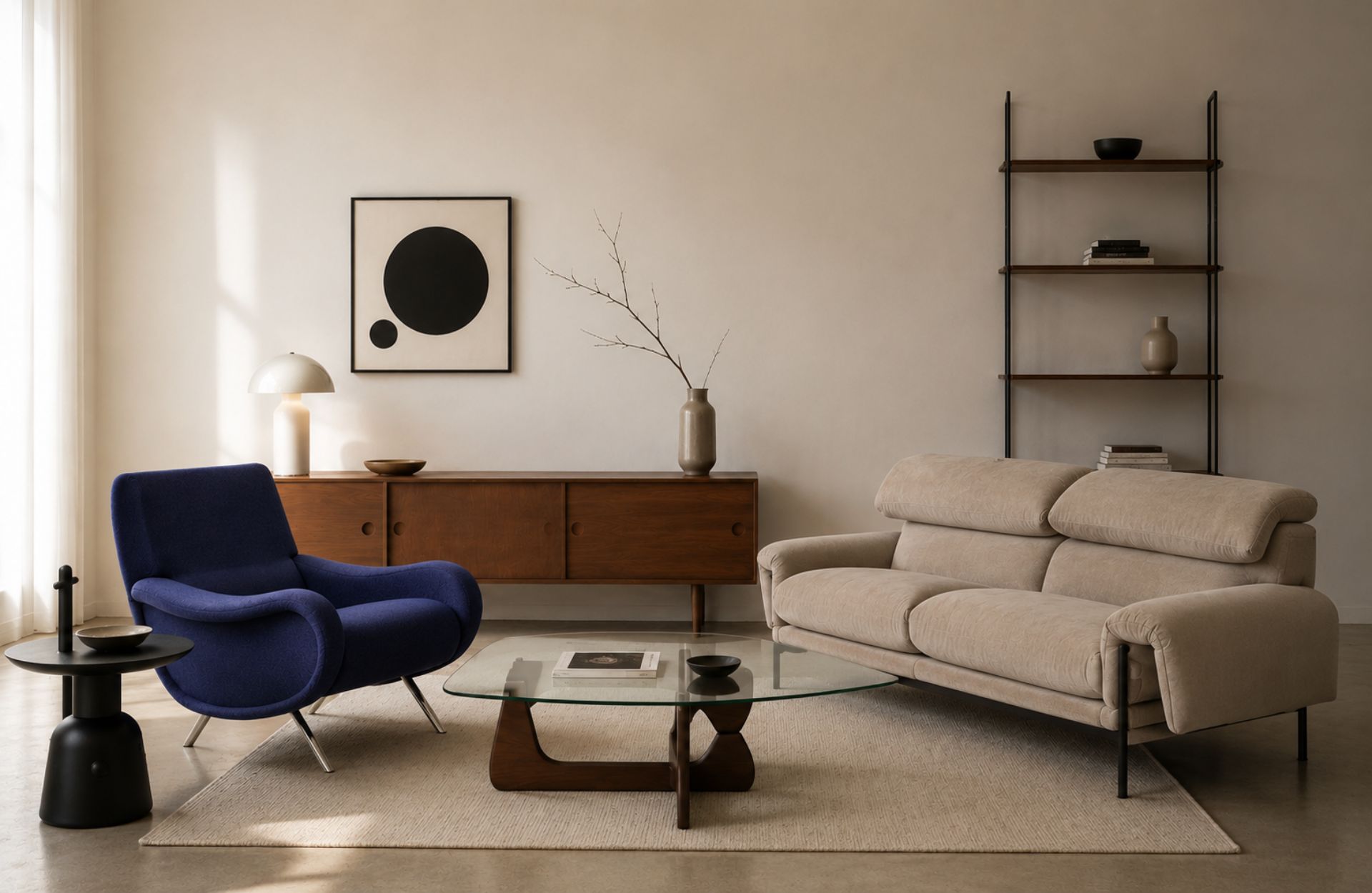
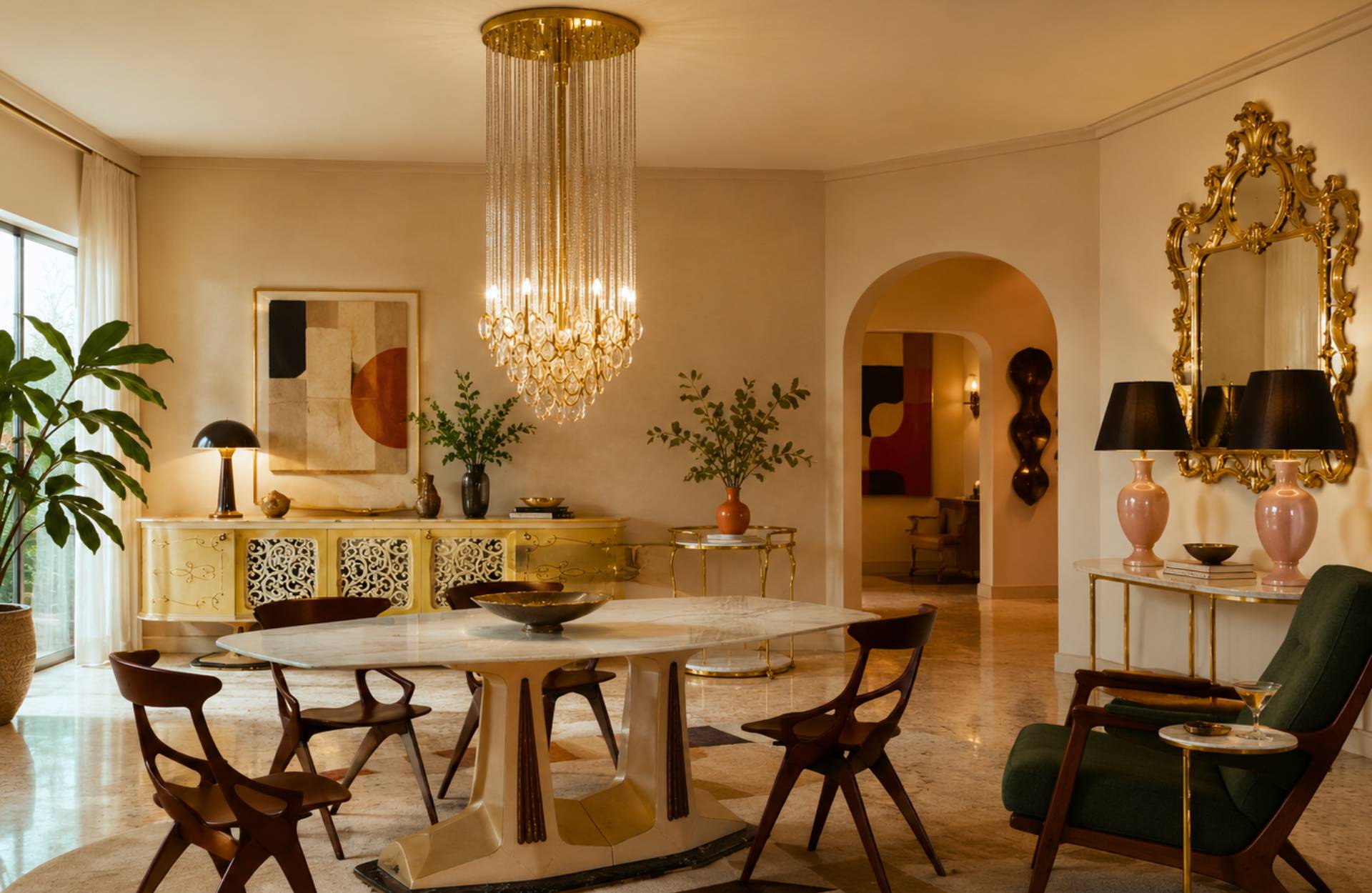
Furniture catalogs from this period reveal a strong emphasis on domestic comfort, with sofas, armchairs, and dining furniture designed for modern family life. These pieces remain highly sought after today and are often featured in curated selections by stores specializing in vintage and mid-century Italian design, such as La Contessa Arreda.
The 1950s–1960s: The Italian Economic Miracle
The so-called Italian Economic Miracle fueled unprecedented growth in furniture manufacturing. Brands like Cassina, Artemide, Zanotta, and B&B Italia collaborated with visionary designers to create objects that were both commercially successful and culturally significant.
This period introduced iconic materials such as molded plywood, foam rubber, aluminum, and plastics, allowing designers to explore new forms and production methods. The furniture of the 1950s and 1960s is characterized by organic shapes, ergonomic research, and a playful yet refined aesthetic.
Designers like Marco Zanuso, Achille and Pier Giacomo Castiglioni, and Vico Magistretti redefined seating, lighting, and storage furniture. Their catalog pieces were not just products but statements about how Italians lived, relaxed, and interacted with space. These works still resonate strongly with contemporary interiors and are often reintroduced through curated vintage collections.

The 1970s: Radical Design and Conceptual Freedom
By the 1970s, Italian design moved beyond functionalism into a more conceptual and experimental phase. Groups such as Archizoom, Superstudio, and Memphis (toward the late 1970s) challenged the very idea of furniture as a purely utilitarian object.
Furniture became a medium for cultural critique and artistic expression, embracing bold colors, unconventional materials, and ironic forms. While not always intended for mass production, these pieces deeply influenced the language of contemporary design and continue to inspire collectors worldwide.
This decade represents the culmination of the Italian design journey from craftsmanship to industry and finally to design as cultural discourse. Many catalog pieces from the 1970s, once considered radical, are now recognized as milestones of 20th-century design history.
A Legacy Still Alive – The Spirit of Italian Design
The legacy of Italian furniture from 1930 to 1980 is not confined to museums. It lives on in carefully selected vintage and mid-century pieces that enrich modern interiors with authenticity and timeless appeal. Stores like La Contessa Arreda, based in Italy and operating globally, play a crucial role in preserving and promoting this heritage by offering curated objects that tell a story of design excellence, innovation, and Italian identity.
For collectors, architects, and interior design enthusiasts, Italian mid-century furniture remains a bridge between past and present—proof that great design transcends time.