The Concept of the One-of-a-Kind Piece in Italian Design, 1930–1980
Why Unique and Limited-Edition Furniture Became Cultural Objects and Collectible Design
Between 1930 and 1980, Italian design developed a distinctive relationship between craftsmanship, architecture, experimentation and industrial production. Within this landscape, an important category emerged alongside serially produced furniture: the one-of-a-kind piece, the prototype, the bespoke commission and the limited-edition design object.
These works occupy a fascinating position between furniture and art. They were often created for a specific client, interior or exhibition, sometimes using experimental techniques that were difficult to reproduce industrially. Today, their rarity can significantly contribute to their cultural, historical and economic value.
For collectors of Italian vintage furniture, understanding this distinction is essential. A chair, table, cabinet or lamp is not necessarily valuable simply because it is old. Its importance may instead derive from the combination of provenance, authorship, rarity, craftsmanship, materials, historical context and design significance.
What makes a piece “one of a kind”?
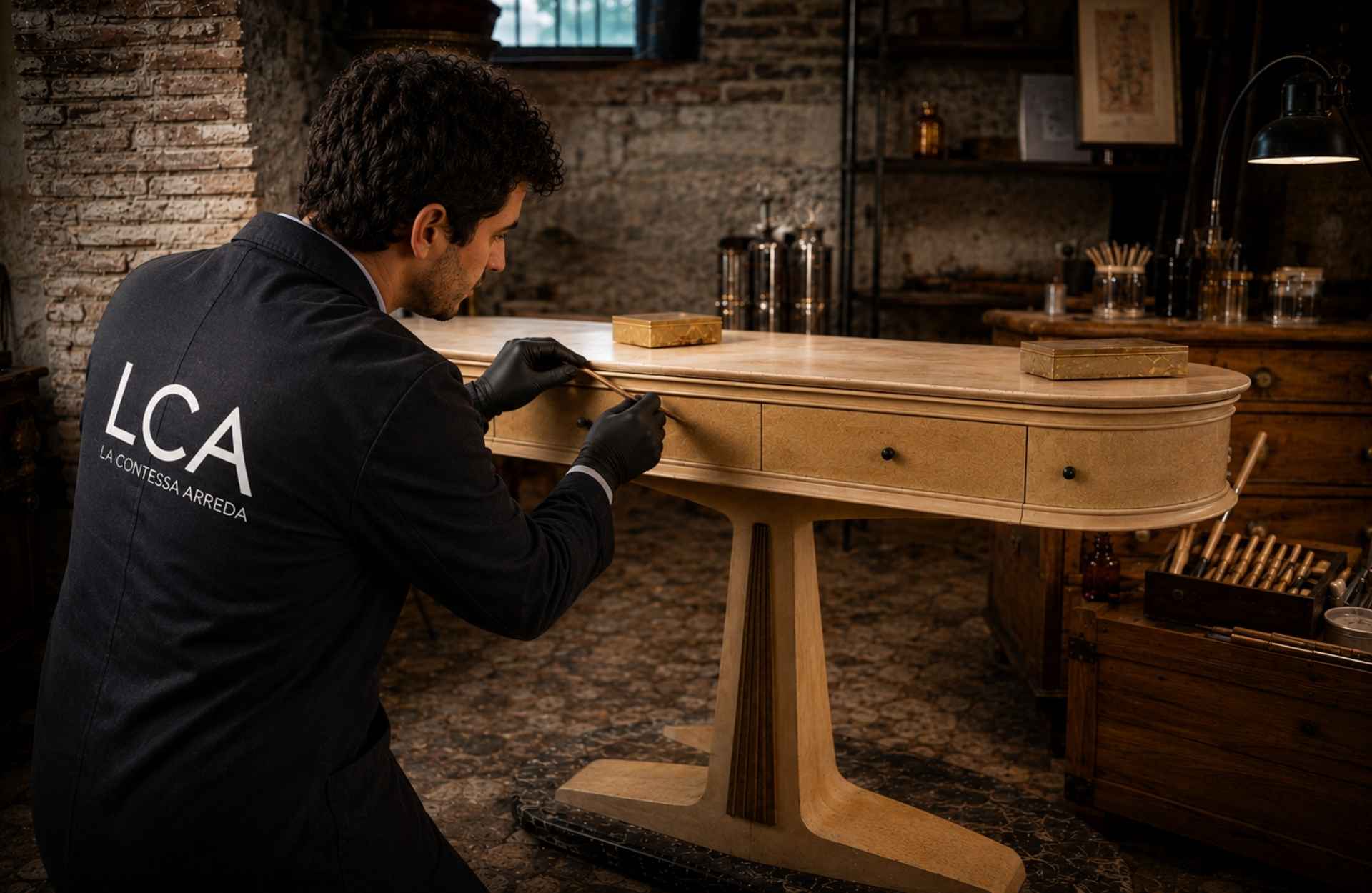
A one-of-a-kind design piece is an object produced as a unique example rather than as part of a conventional commercial series. It may have been designed for a private residence, created as an experimental prototype, commissioned for an exhibition, or manufactured in a workshop using techniques that were not intended for mass production.
This concept was particularly relevant in Italy, where the relationship between architect and craftsman remained important even as industrial design developed.
The period from the 1930s onward saw designers increasingly move between architecture, interior design, furniture and industrial production. Gio Ponti, Carlo Mollino, Franco Albini, Ico Parisi, Marco Zanuso, Achille and Pier Giacomo Castiglioni and many other figures contributed to this culture of experimentation.
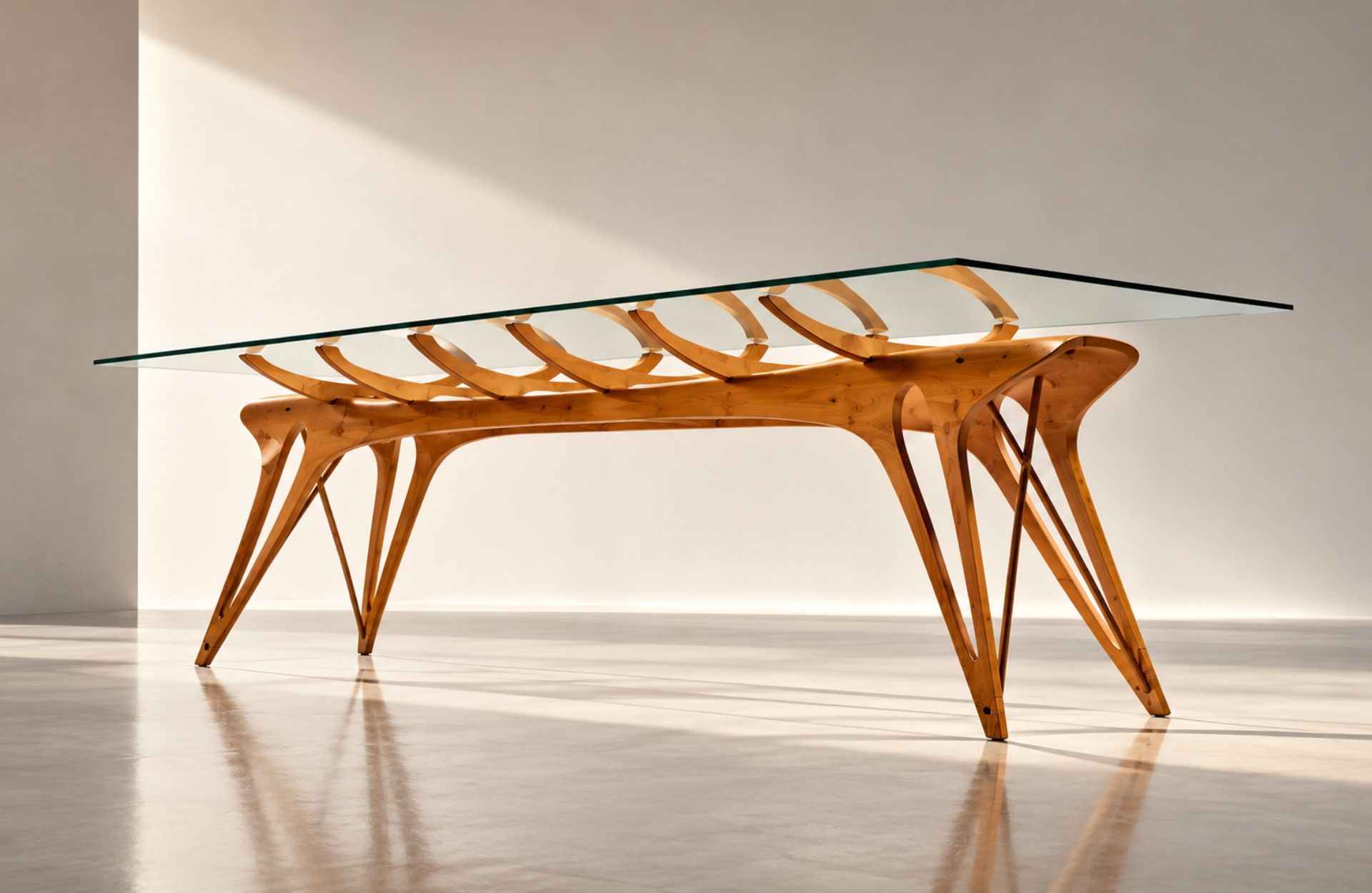
The work of Carlo Mollino provides one of the clearest examples. Several of his interiors and furnishings were produced for private commissions or in very small numbers, combining highly individual forms with sophisticated woodworking techniques. His approach demonstrates how a piece could be conceived less as a standardized product and more as an integral part of an architectural environment.
From craftsmanship to industrial design
The existence of unique pieces does not contradict Italy’s extraordinary contribution to industrial design. In fact, the two approaches often developed together.
Italian companies such as Arflex, founded in 1947, worked with designers including Marco Zanuso while experimenting with new materials and manufacturing technologies. The company began by exploring polyurethane foam and elastic materials for furniture, illustrating the transition from traditional craftsmanship toward technologically innovative production.
Similarly, Zanotta, founded in 1954, became associated with a design culture in which experimentation, technology and strong authorship were central. Its historical catalogue includes work by designers such as Castiglioni, Zanuso, Mollino, Munari, Sottsass and others, while its contemporary production also includes numbered and limited editions.
This coexistence is important when evaluating mid-century Italian furniture. A highly collectible object can be either an exceptional unique creation or an original example from a documented production series.
Why rarity matters
Rarity creates scarcity, but scarcity alone does not automatically create value.
The economic value of a rare Italian design piece depends on several interconnected factors. A unique object by an important designer may attract collectors because it represents an otherwise undocumented or unusual stage in that designer’s creative development. A limited production piece may be desirable because very few examples have survived.
The distinction between an original vintage object and a later reproduction is therefore fundamental.
For collectors, authenticity and provenance can be as important as visual appearance. Original materials, construction techniques, manufacturer marks, documented ownership history and archival references can all help establish the significance of a piece.
This is one reason why the market for collectible design increasingly operates at the intersection of interior design, art collecting and cultural heritage.
The cultural value of the unique object
The most interesting aspect of a one-of-a-kind piece is not necessarily its price. Its deeper value lies in the information it preserves.
A unique table can reveal how a particular architect approached proportion and materials. An experimental armchair can document a designer’s attempt to solve a technical problem. A bespoke cabinet can preserve the relationship between a designer and a specific client.
In this sense, Italian vintage design functions as a form of cultural documentation.
The object becomes evidence of a particular moment in Italian history: the transformation of domestic life, the development of new materials, the influence of architecture on interiors and the emergence of design as a recognized cultural discipline.
The visual language of the period is exceptionally diverse. Italian Mid-Century Modern design can range from restrained functionalism to sculptural experimentation, from elegant wood furniture to radical plastic forms and expressive lighting.
Unique pieces versus limited editions
There is an important distinction between a one-of-a-kind piece and a limited-edition piece.
A unique object exists as a single known example. A limited edition belongs to a deliberately restricted production, often identified by a number or edition size.
Limited editions can offer a bridge between the worlds of industrial design and collecting. They preserve the designer’s original concept while introducing controlled scarcity.
This idea has remained relevant to Italian design companies. Historical designs are sometimes reissued decades later through carefully researched editions, demonstrating how prototypes, archives and historical objects can continue to influence contemporary production.
For the collector, however, it is important to distinguish between an original vintage production, a historically documented limited edition and a modern authorised re-edition. They may share the same design heritage but represent different moments in the object’s history.

Why these pieces matter in contemporary interiors
A unique or rare vintage object can also change the character of an interior.
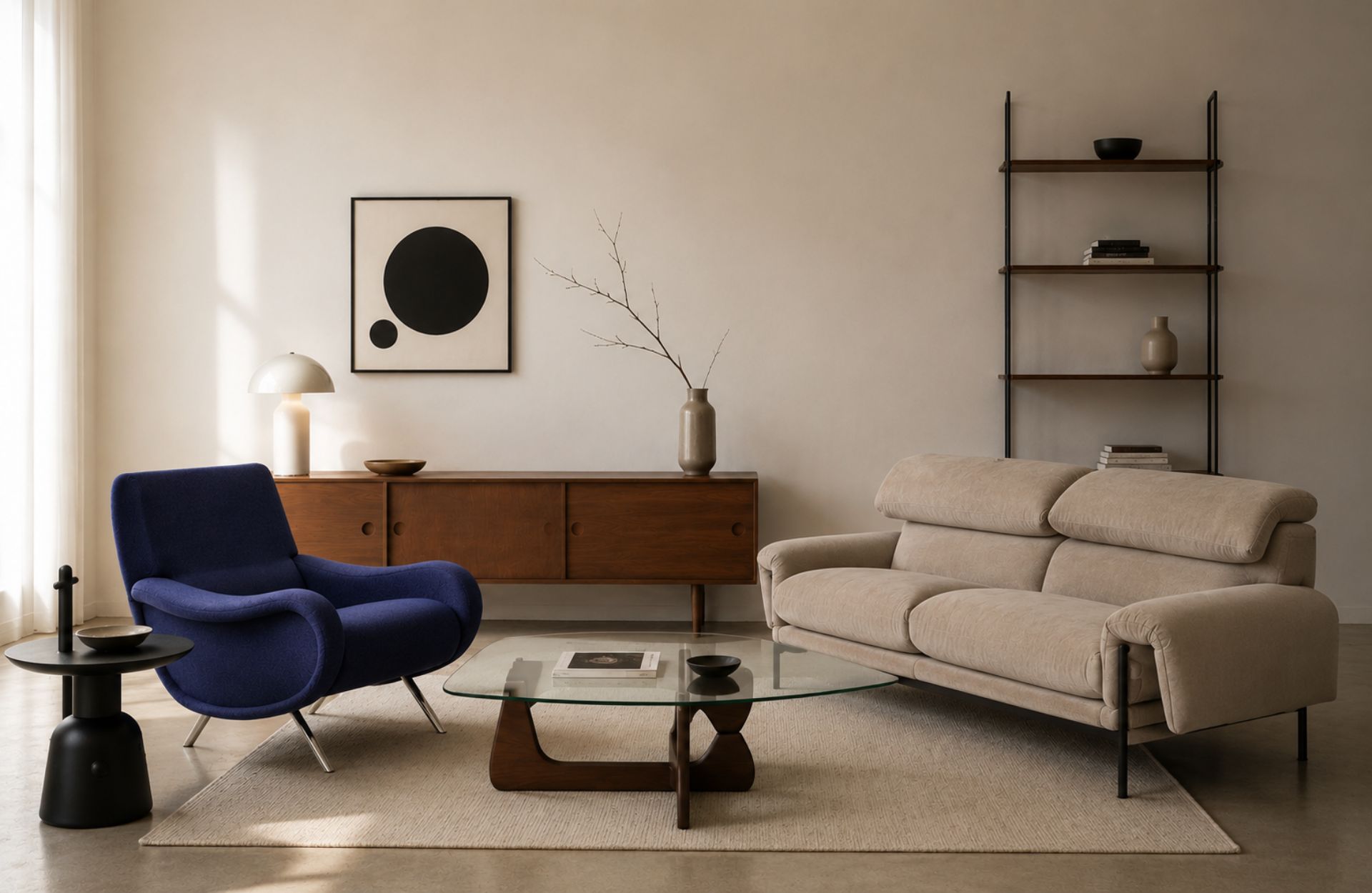
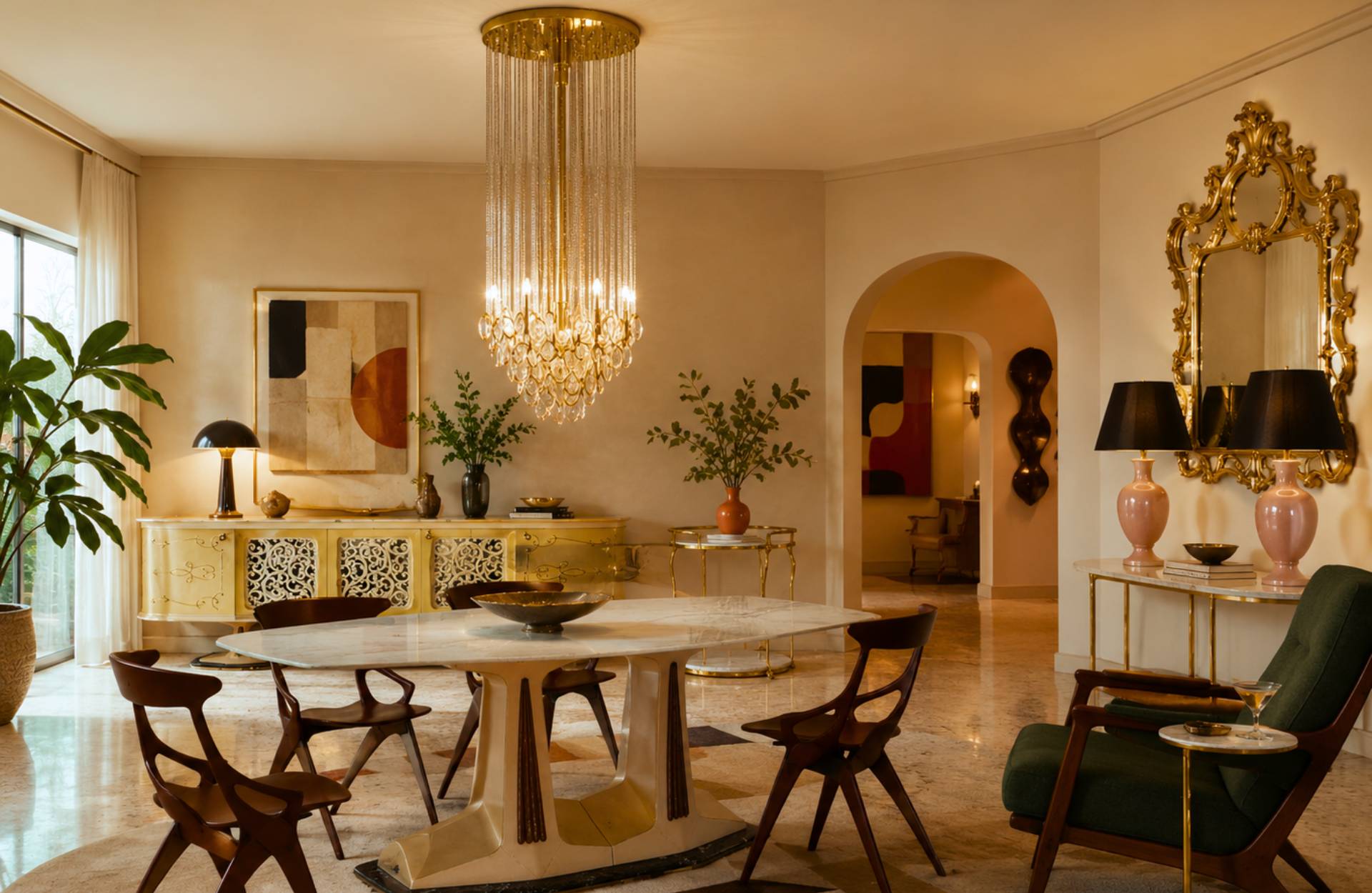
Instead of creating a room entirely around a particular period or style, designers increasingly use collectible vintage furniture as individual points of identity. A sculptural Italian armchair, an unusual marble table, an original credenza or a distinctive mid-century lamp can introduce historical depth into an otherwise contemporary environment.
The objective is not to recreate an Italian interior from the 1950s or 1960s. It is to establish a dialogue between past and present.
This approach explains why authentic Italian furniture from the 1930s to the 1980s remains relevant to architects, interior designers and private collectors around the world.
How La Contessa Arreda approaches collectible Italian design
At La Contessa Arreda, based in Albano Laziale near Rome, the focus is on authentic Italian vintage and mid-century furniture, with a particular interest in pieces dating from approximately the 1930s to the 1980s. The collection includes seating, tables, storage furniture, lighting and decorative objects selected for their design, materials, character and historical relevance.
For a collector, the appeal is precisely this combination of rarity and individuality. An object does not need to be famous to be interesting. Sometimes its strongest quality is the way its materials, proportions, craftsmanship or unusual construction distinguish it from contemporary mass-produced furniture.
A carefully selected Italian vintage piece can therefore function simultaneously as furniture, historical document and collectible design object.
La Contessa Arreda makes its curated selection available internationally, working with collectors, architects and interior designers searching for authentic pieces with character and provenance.
FAQ
Before buying Italian vintage furniture, ask the seller:
What is a one-of-a-kind design piece?
It is a unique object produced as a single example, often for a private commission, exhibition, prototype or experimental project.
Are limited-edition pieces valuable?
They can be, particularly when rarity is combined with recognised authorship, authenticity, provenance, craftsmanship and historical importance. Rarity alone does not determine market value.
Is a prototype the same as a vintage original?
Not necessarily. A prototype is generally an experimental or pre-production example, while an original vintage piece may belong to a documented commercial production.
Why is Italian design from 1930–1980 so collectible?
This period combined craftsmanship, architecture, industrial innovation and experimentation, producing a remarkably diverse body of furniture and objects that continues to influence contemporary interiors.
What should collectors look for?
Authenticity, condition, provenance, materials, construction, designer or manufacturer attribution, documentation and the relationship of the object to the wider history of Italian design are all relevant considerations.