Historical Styles in 20th-Century Italian Furniture
From Art Deco to Modernism: The Evolution of Italian Design Between Elegance, Function, and Innovation
Italian furniture design of the twentieth century represents one of the most influential cultural and artistic evolutions in the history of interiors. Between the 1920s and the late 1970s, Italy developed a unique design identity capable of combining craftsmanship, architecture, industrial innovation, and aesthetic experimentation. Three major movements shaped this transformation: Art Deco, Rationalism, and Modernism.
These historical styles did not simply influence furniture production. They redefined the way Italians lived inside domestic spaces. Materials, proportions, decorative language, and functionality evolved dramatically across the decades, reflecting social change, technological progress, and new architectural ideals.
Today, collectors, interior designers, and vintage furniture enthusiasts continue to seek authentic Italian pieces from these periods because of their timeless character, sculptural quality, and exceptional craftsmanship.
Understanding the differences between these movements helps buyers and designers integrate historical furniture into contemporary interiors with greater awareness and sophistication.
Art Deco in Italian Furniture: Luxury, Geometry, and Craftsmanship
The Italian interpretation of Art Deco emerged during the 1920s and 1930s, influenced by the international decorative arts movement presented at the 1925 Paris Exposition Internationale des Arts Décoratifs.
Unlike French Art Deco, which often emphasized ornamentation and theatrical opulence, Italian Art Deco developed a more restrained elegance. Italian designers combined luxurious materials with architectural precision, creating interiors that felt sophisticated rather than excessive.
Typical characteristics of Italian Art Deco furniture include:
- Geometric forms
- Symmetrical compositions
- Exotic woods
- High-gloss finishes
- Brass and chrome details
- Curved silhouettes
- Fine craftsmanship
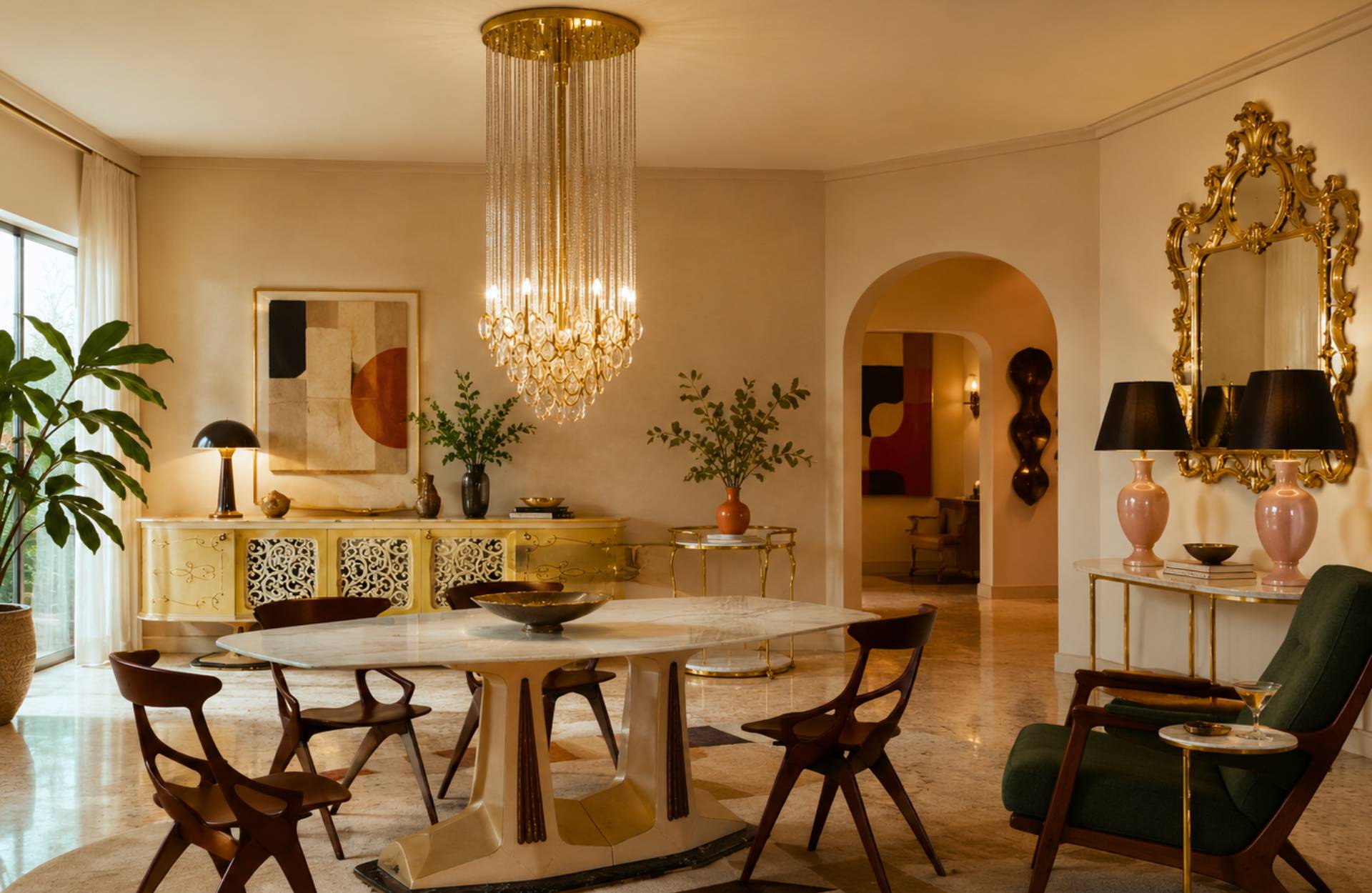
Materials played a central role. Cabinetmakers frequently used walnut, maple, ebony, parchment, mirrored surfaces, and lacquered finishes. Furniture was designed not only as functional equipment but also as a visual statement of refinement and status.
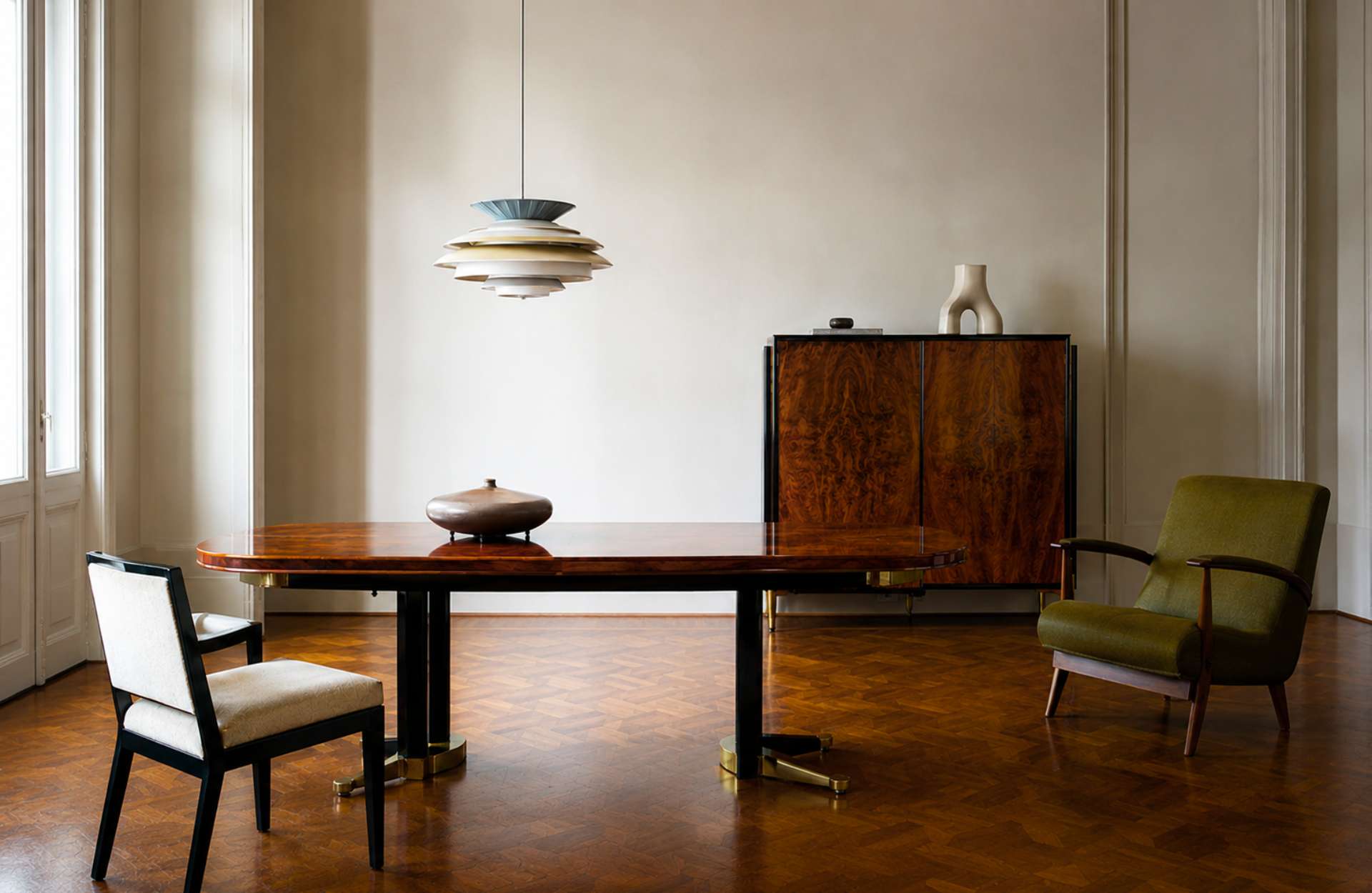
One important example can be found in the work associated with Milanese decorative arts during the 1930s. Sideboards, consoles, and dining tables from this period often featured sculptural proportions and luxurious veneers while maintaining architectural discipline.
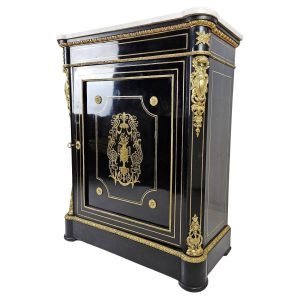
In contemporary interiors, authentic Italian Art Deco pieces work exceptionally well as focal points. A lacquered cabinet or a pair of curved armchairs can introduce historical depth into minimalist spaces without overwhelming the room.
Rationalism: Function and Architectural Purity
During the 1930s, Italian design moved toward a more intellectual and functional direction through Rationalism. Influenced by modern architecture and industrialization, Rationalist designers rejected excessive decoration in favor of clarity, efficiency, and geometric order.
This movement was closely connected to architecture. Furniture became an extension of spatial design rather than independent decoration.
Italian Rationalist furniture emphasized:
- Functional simplicity
- Structural honesty
- Clean lines
- Modular thinking
- Industrial materials
- Visual balance
Tubular steel, glass, and simplified wood structures became increasingly common. The focus shifted from ornament to proportion and utility.
Architects and designers associated with Italian Rationalism explored how furniture could respond to modern lifestyles and smaller urban spaces. Interiors became lighter, more organized, and visually coherent.
One concrete example is the growing use of cantilever chairs inspired by European modernist experimentation. Italian designers adapted these ideas while maintaining greater warmth and craftsmanship compared to some Northern European interpretations.
Another defining characteristic was the integration between architecture and furniture. Custom-built storage systems, desks, and seating were often designed specifically for individual interiors, creating a unified visual language.
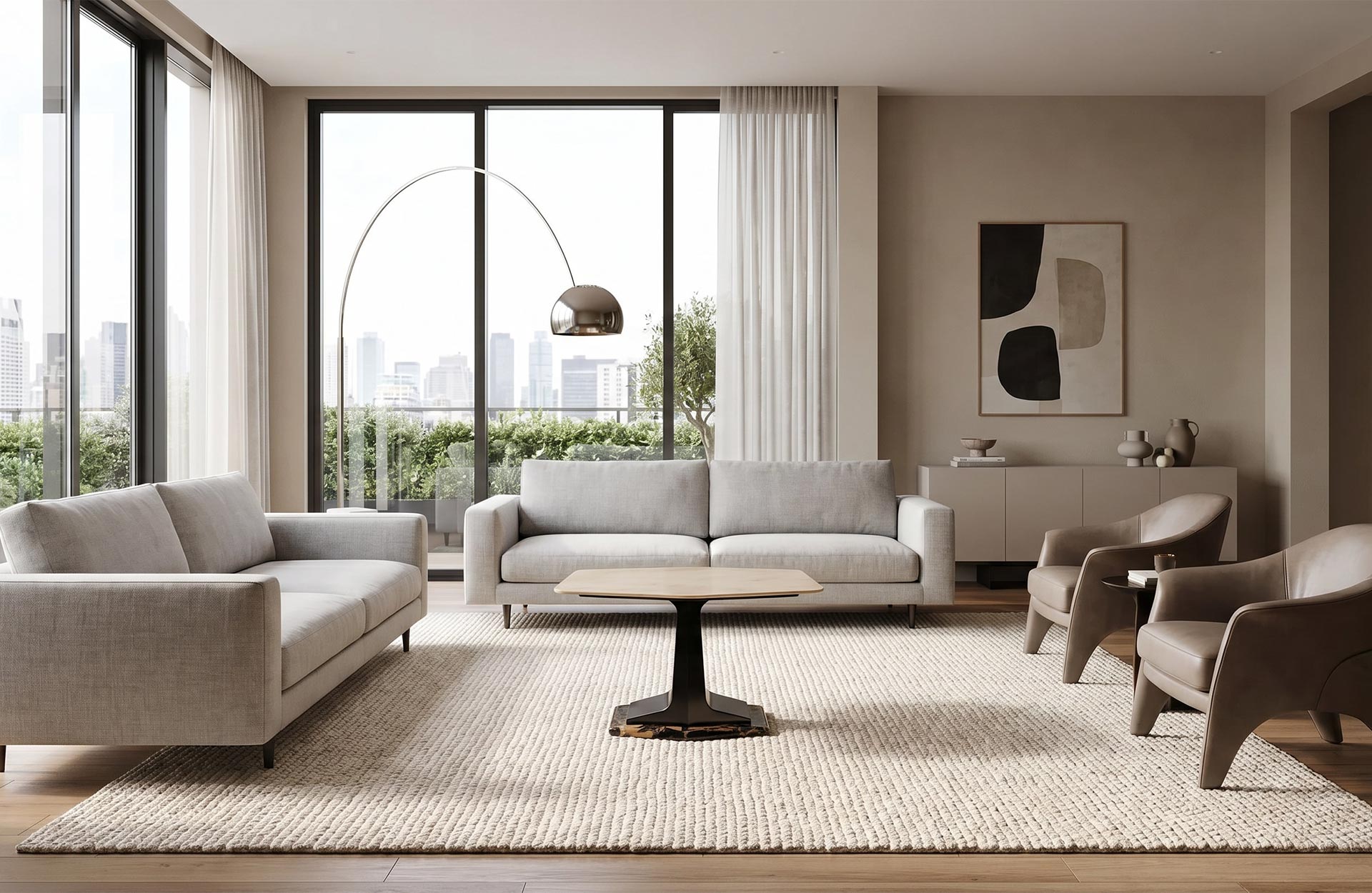
Today, Rationalist furniture integrates naturally into contemporary homes because its principles remain remarkably current. Neutral palettes, functional layouts, and geometric clarity align perfectly with modern architectural trends.
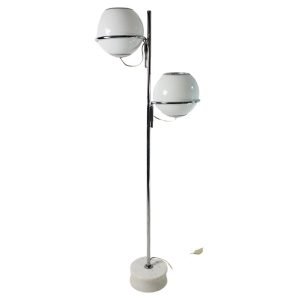
Floor Lamp Model 1094 by Gino Sarfatti Italy 1969
Original price was: €4,900.00.€3,920.00Current price is: €3,920.00.
Italian Modernism and the Rise of Mid-Century Design
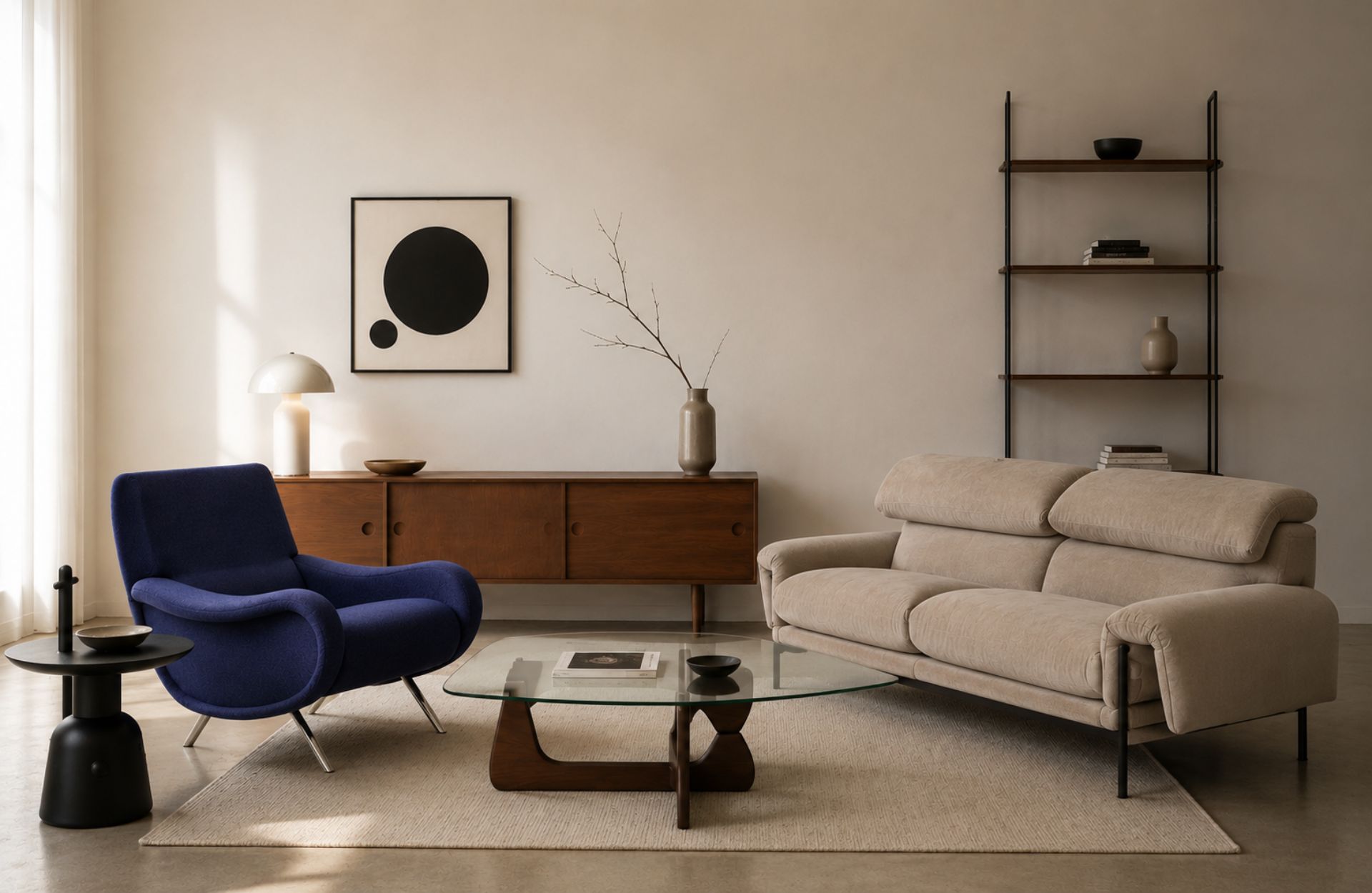
After World War II, Italy entered one of the most important creative periods in its design history. Between the 1950s and the 1970s, Italian Modernism transformed furniture into a global symbol of innovation and lifestyle.
Economic growth, industrial development, and international cultural exchange allowed Italian designers to experiment with new technologies, materials, and production methods.
This era introduced some of the most iconic names in furniture history, including Gio Ponti, Osvaldo Borsani, Joe Colombo, Vico Magistretti, and Marco Zanuso.
Unlike the strict functionalism of Rationalism, Italian Modernism reintroduced emotion, comfort, and sculptural freedom while maintaining clarity of form.
Characteristics of Italian Modernist furniture include:
- Organic lines
- Sculptural silhouettes
- Innovative materials
- Lightweight structures
- Functional elegance
- Modular systems
- Balance between craftsmanship and industry
Materials expanded dramatically during this period. Designers experimented with molded plastics, aluminum, foam, fiberglass, chrome, and new textile technologies alongside traditional woods and marble.
One of the defining achievements of Italian Modernism was its ability to combine industrial scalability with artisanal quality. Furniture became more accessible internationally while preserving aesthetic sophistication.
For example, a 1960s Italian lounge chair often combines ergonomic comfort with visually striking proportions. Similarly, modular storage systems from the 1970s anticipated contemporary flexible living solutions decades in advance.
Italian lighting design also became globally influential during this period. Sculptural floor lamps and Murano glass chandeliers introduced artistic expression into functional objects.
Comparing Art Deco, Rationalism, and Modernism
Although these three historical movements belong to the same broader timeline of twentieth-century Italian design, their philosophies differ significantly.
Art Deco focused on decorative elegance, luxury materials, and geometric refinement. Furniture communicated status, craftsmanship, and visual richness.
Rationalism prioritized functionality, clarity, and architectural coherence. Decoration became secondary to efficiency and proportion.
Modernism balanced function with experimentation, introducing softer forms, industrial innovation, and greater emotional expression.
Understanding these distinctions helps collectors and interior designers identify authentic pieces and create interiors with stronger historical consistency.
For example:
- An Art Deco cabinet works beautifully in sophisticated luxury interiors.
- Rationalist furniture complements minimalist architectural spaces.
- Modernist pieces adapt easily to eclectic contemporary homes.
Rather than conflicting with each other, these styles often coexist successfully when balanced carefully through materials, scale, and spatial composition.
Why Italian Historical Furniture Remains Relevant Today
The continued global demand for Italian vintage furniture is not based solely on nostalgia. These historical movements established principles that remain central to contemporary interior design.
Current trends such as sustainable living, curated interiors, natural materials, and timeless furniture all connect directly to twentieth-century Italian design culture.
Authentic vintage furniture offers qualities increasingly difficult to find in mass-produced contemporary products:
- Craftsmanship
- Material richness
- Historical identity
- Longevity
- Unique proportions
- Collectible value
For collectors and design enthusiasts, original Italian furniture pieces represent both aesthetic investments and cultural artifacts.
A Rationalist desk, an Art Deco sideboard, or a Modernist lounge chair can completely redefine the atmosphere of a contemporary room while preserving authenticity and visual depth.
This is particularly important today as many interiors risk becoming visually repetitive due to globalized design trends.
At La Contessa Arreda, this philosophy continues through a curated selection of authentic vintage Italian furniture, mid-century modern design, collectible seating, lighting, storage, and decorative objects, carefully chosen for their historical relevance, craftsmanship, and timeless aesthetic value. By preserving original twentieth-century pieces, La Contessa Arreda contributes to keeping the legacy of Italian modern design alive within contemporary interiors, offering collectors, architects, and interior designers unique furnishings that combine cultural heritage with enduring elegance.
The Enduring Legacy of Twentieth-Century Italian Design
The evolution from Art Deco to Rationalism and finally to Modernism reflects more than changing aesthetics. It mirrors the transformation of Italian society, architecture, and industry throughout the twentieth century.
Each movement contributed something essential to the language of contemporary interiors:
- Art Deco introduced refinement and material elegance.
- Rationalism established functional clarity.
- Modernism expanded creativity and innovation.
Together, these styles shaped the international reputation of Italian furniture design and continue to influence architects, collectors, and interior designers worldwide.
For anyone seeking interiors with personality, historical value, and timeless sophistication, twentieth-century Italian furniture remains one of the richest and most influential design traditions ever created.