Integrating Vintage Furniture into Contemporary Interiors
How Italian Mid-Century Design Creates Timeless Contemporary Spaces
Contemporary interiors often risk feeling visually perfect but emotionally flat. One of the most effective ways to introduce character, depth, and authenticity is through the thoughtful integration of vintage furniture. In particular, pieces from the Italian Mid-Century Modern period between the 1930s and 1980s offer a rare combination of sculptural beauty, craftsmanship, and functionality that blends naturally with modern architecture.
From a Gio Ponti sideboard to a 1970s chrome floor lamp, vintage Italian furniture can transform minimalist interiors into layered and memorable living spaces. The key is balance. Successful contemporary interiors do not recreate the past. Instead, they combine eras intelligently, allowing iconic vintage pieces to become focal points inside clean, modern environments.
For homeowners, collectors, architects, and interior designers, integrating vintage furniture is not only an aesthetic decision. It is also a sustainable and cultural approach to design.
Why Vintage Furniture Works in Contemporary Interiors
One reason Italian vintage furniture integrates so well into modern homes is its design philosophy. Mid-century Italian designers focused on proportions, usability, and elegant materials rather than excessive decoration. As a result, many original pieces still feel contemporary decades later.
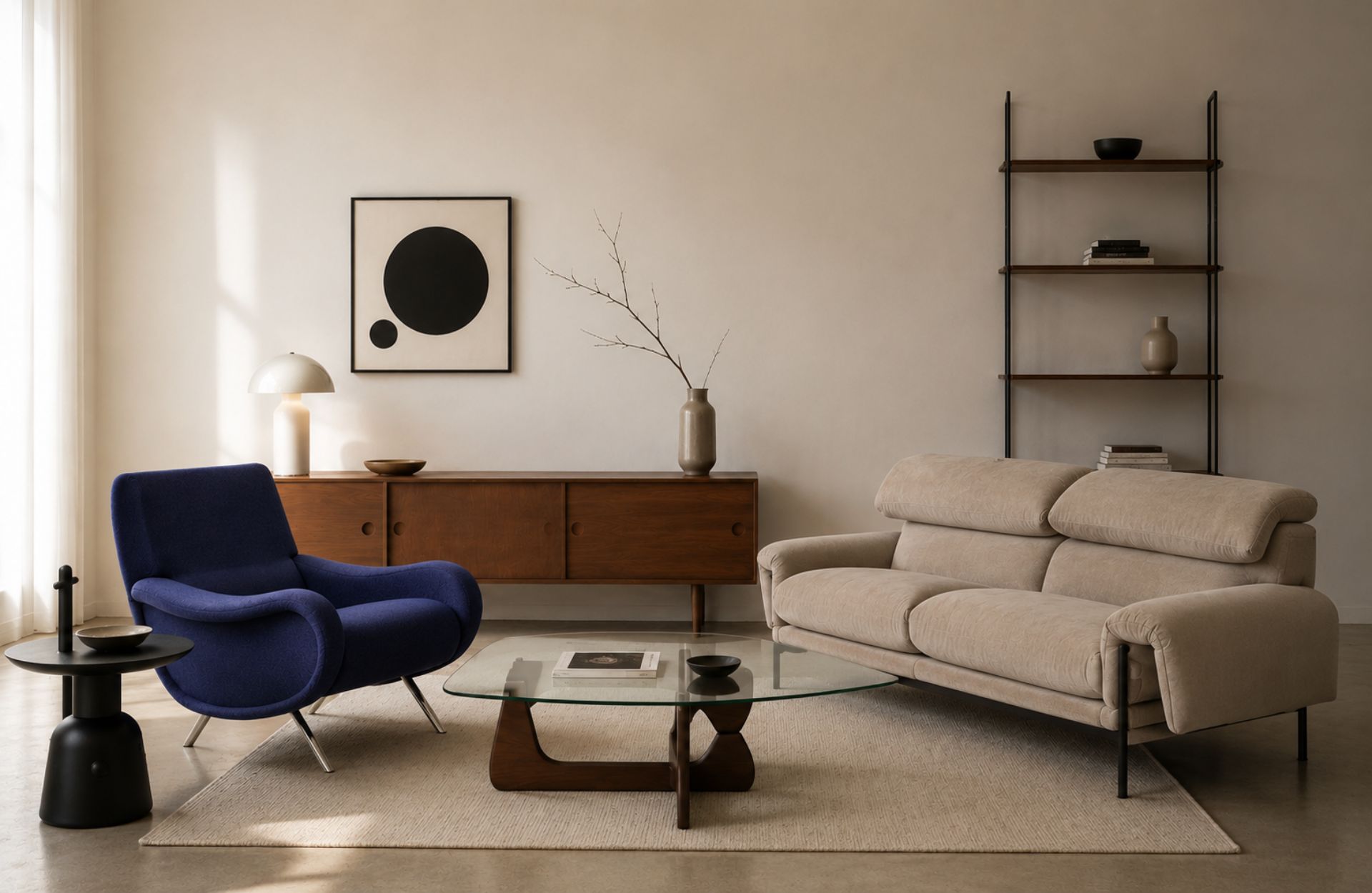
A walnut sideboard from the 1950s can sit comfortably beneath a modern abstract painting. A pair of leather lounge chairs from the 1970s can soften a minimal concrete loft. The visual dialogue between old and new creates contrast, warmth, and individuality.
Unlike mass-produced contemporary furniture, authentic vintage pieces often display handcrafted details, natural patinas, and material richness that modern manufacturing rarely replicates. These imperfections add personality and visual depth.
Another important factor is longevity. High-quality vintage furniture was designed to last for generations. Materials such as solid teak, rosewood, brass, Murano glass, and travertine age beautifully and continue to perform both aesthetically and functionally.

Start with a Statement Piece
One of the most practical strategies for integrating mid-century furniture into contemporary interiors is starting with a single statement piece.
Rather than filling an entire room with vintage items, select one element that anchors the space visually. This could be:
- A 1960s Italian sideboard
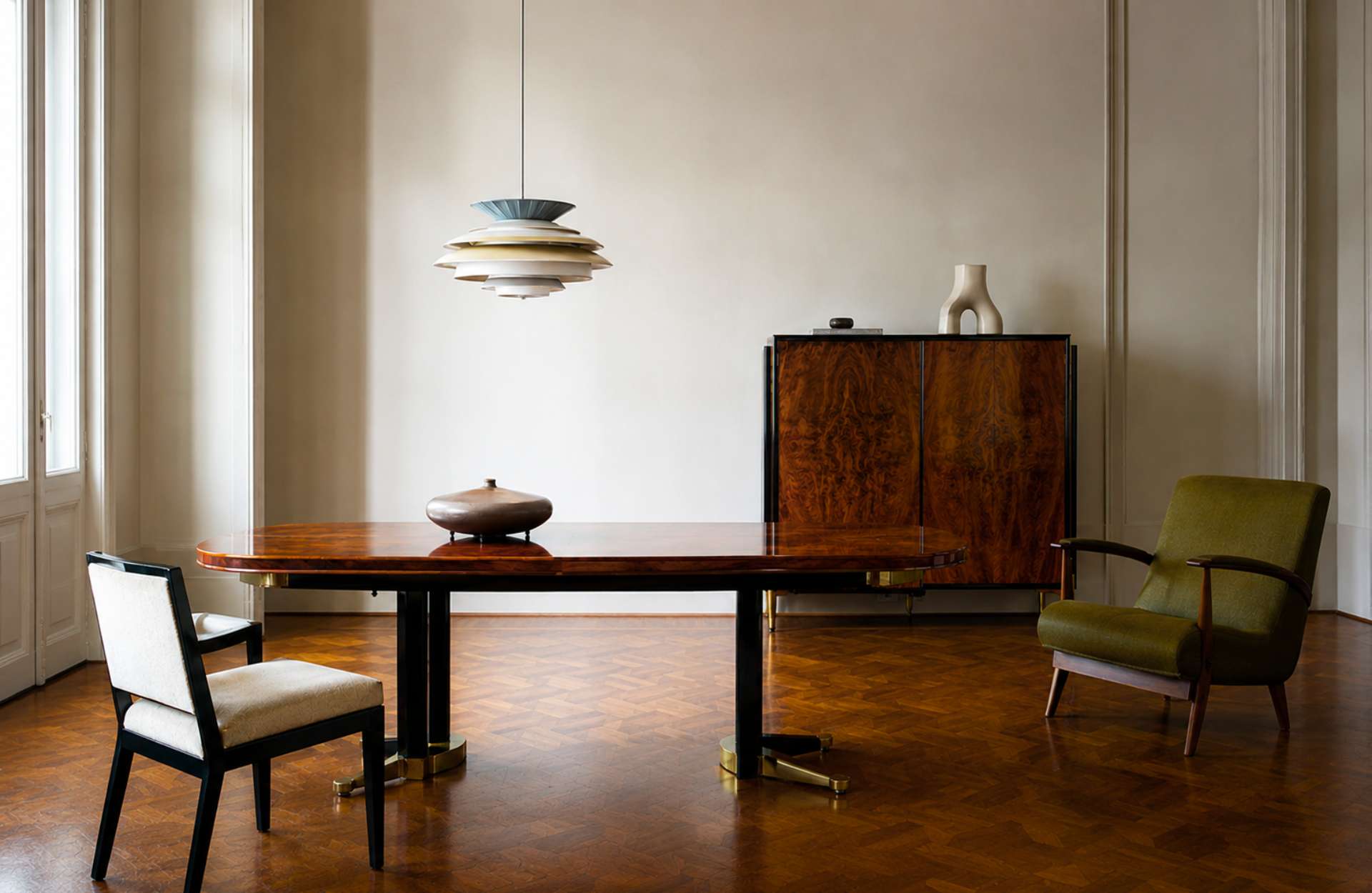
- A sculptural dining table
- A vintage armchair
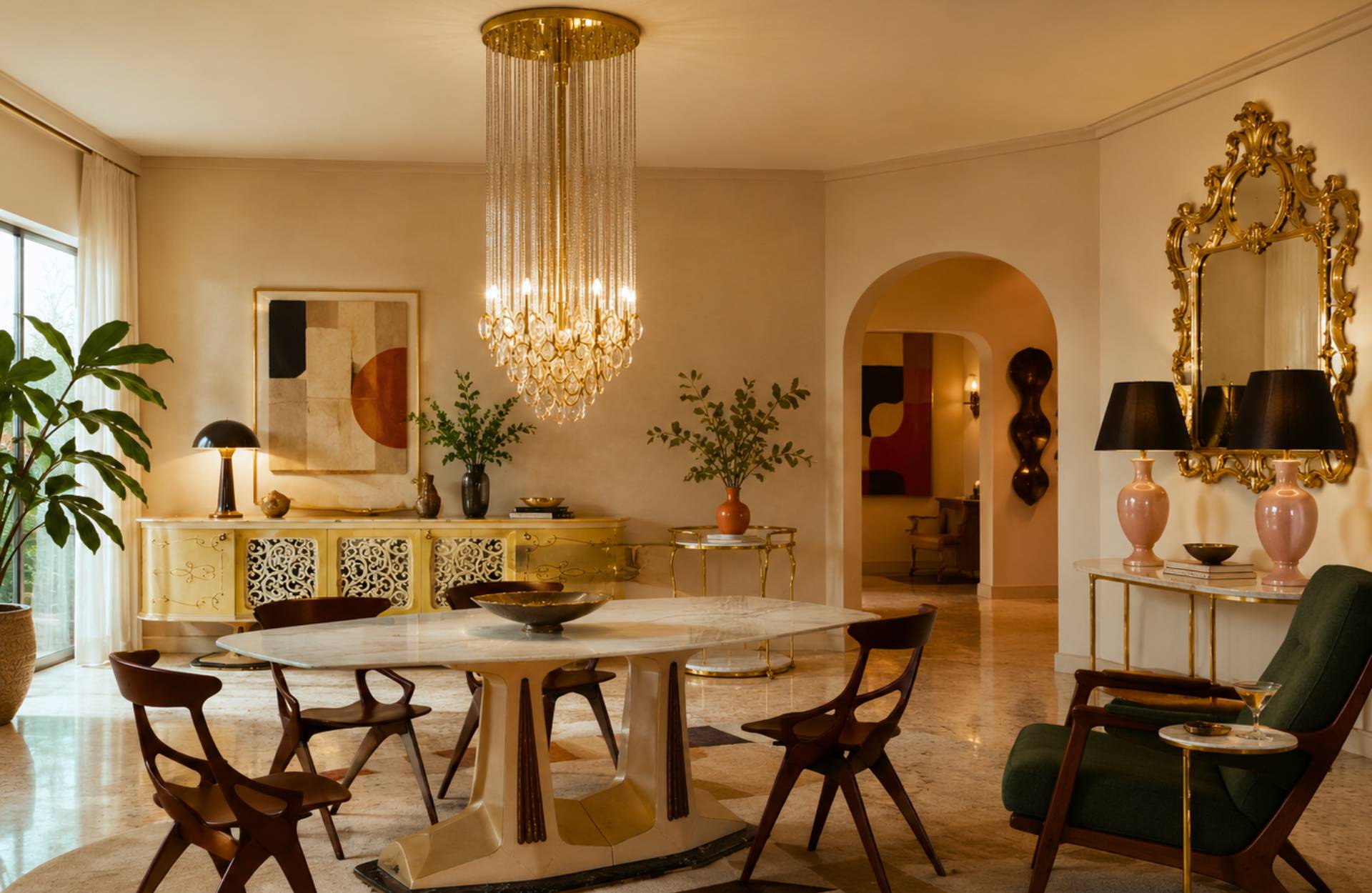
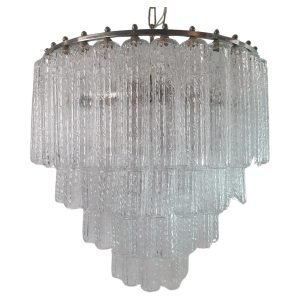
- A Murano glass chandelier
- A brass and chrome coffee table
The surrounding environment can remain contemporary and restrained. This contrast allows the vintage piece to stand out naturally without overwhelming the room.
For example, in many modern apartments across Milan and Rome, designers pair white walls and polished concrete floors with warm walnut cabinetry from the 1950s. The result feels sophisticated rather than nostalgic.
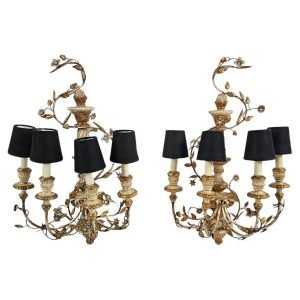
A particularly effective combination is mixing contemporary modular sofas with vintage Italian lighting. Clean-lined upholstery creates neutrality, while a dramatic vintage lamp introduces artistic tension and warmth.
Focus on Material Harmony
A common mistake when combining old and new furniture is concentrating only on style while ignoring materials.
Successful interiors often rely on material continuity rather than strict stylistic consistency. Italian mid-century furniture works especially well because many of its materials remain central in contemporary architecture today.
Key materials include:
- Walnut
- Teak
- Brass
- Chrome
- Marble
- Smoked glass
- Bouclé fabric
- Leather
For example, a vintage travertine coffee table integrates effortlessly into a modern interior featuring limestone floors or neutral plaster walls. Similarly, chrome-framed chairs from the 1970s complement contemporary steel kitchens and industrial loft spaces.
When selecting vintage furniture, observe how materials interact with light. Italian designers from the mid-century period understood reflection, texture, and proportion exceptionally well. Brass develops warmth over time, while wood introduces organic softness into minimalist spaces.
Real-Life Example: Contemporary Apartment with 1960s Italian Pieces
A practical example can be seen in many renovated apartments in Northern Europe where contemporary Scandinavian architecture is combined with Italian vintage design.
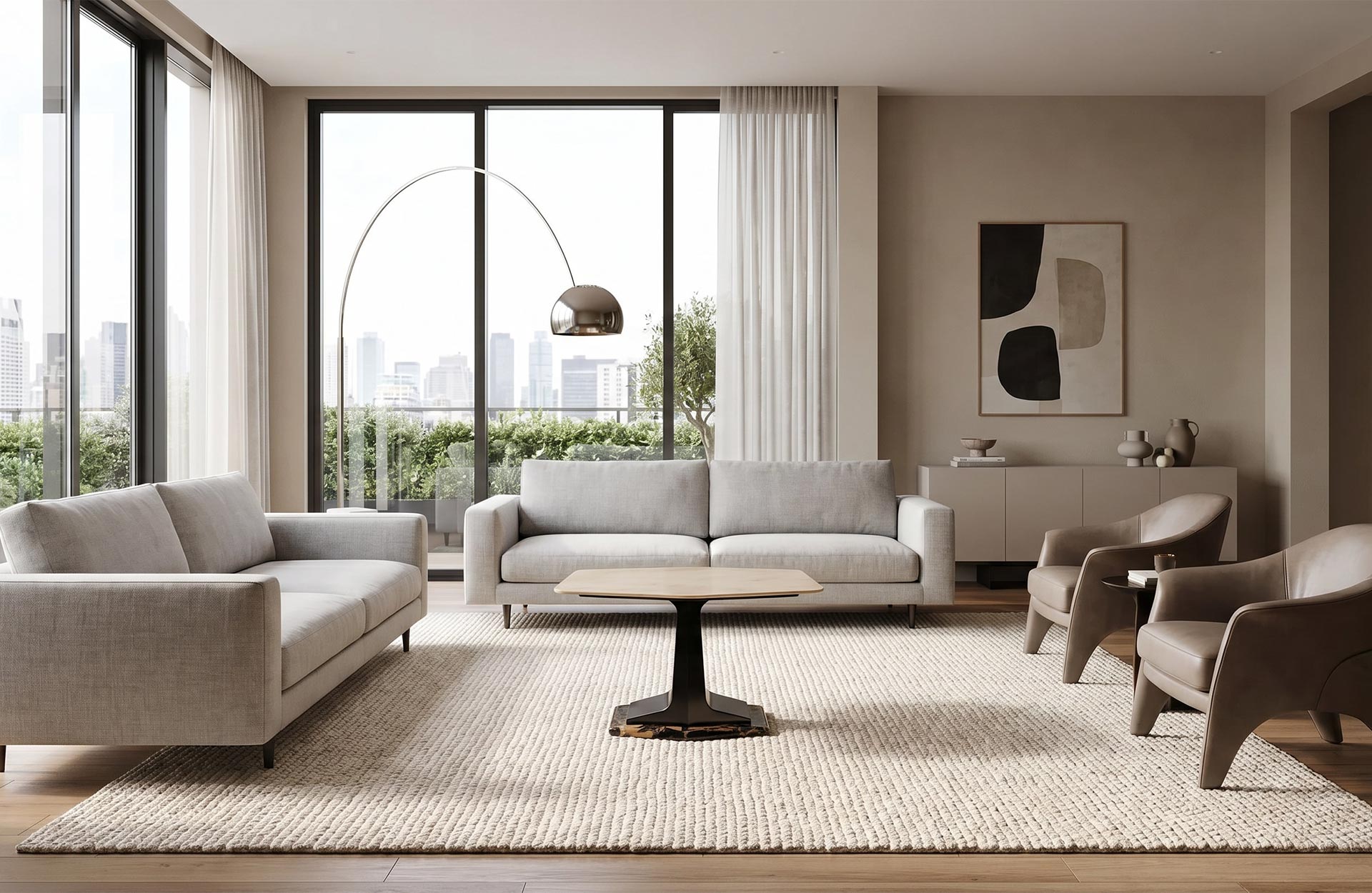
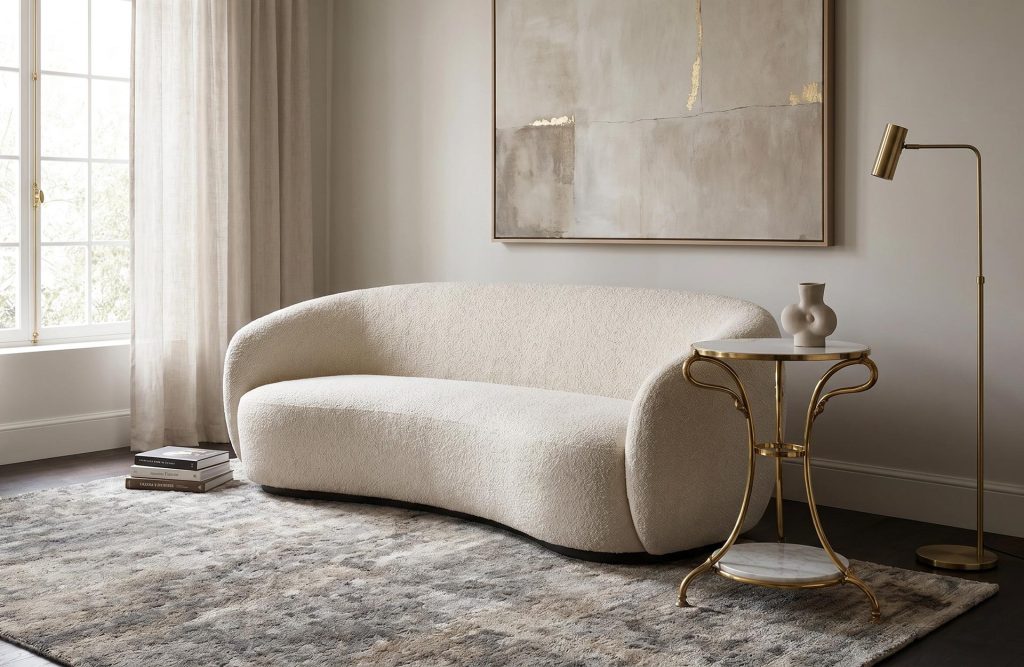
Imagine a modern open-plan living room with pale oak floors, matte white walls, and large windows. Instead of furnishing the entire room with new pieces, the designer introduces:
- A 1960s Italian rosewood sideboard
- Vintage leather lounge chairs
- A Murano glass chandelier
- A sculptural marble coffee table
The room immediately gains visual hierarchy and emotional warmth. The contemporary shell remains minimal, but the vintage elements prevent the interior from appearing sterile.
This layered approach is increasingly popular because it creates spaces that feel curated rather than catalog-based.
Mixing Vintage Furniture with Minimalism
Minimalist interiors benefit enormously from carefully chosen vintage furniture because vintage design introduces complexity without visual clutter.
A single vintage object often carries more personality than multiple contemporary accessories. For this reason, many architects prefer using fewer but stronger pieces.
In minimalist environments:
- Use vintage furniture as focal points
- Limit decorative accessories
- Maintain a restrained color palette
- Allow negative space around important pieces
Italian Mid-Century Modern furniture is particularly suitable because of its sculptural quality. Chairs, lighting, and storage units often function almost like artworks inside a room.
For example, a 1950s Italian armchair upholstered in textured fabric can completely transform a neutral bedroom without requiring additional decoration.
The Importance of Scale and Proportion
One reason vintage interiors sometimes fail is incorrect proportion.
Many authentic mid-century Italian pieces were designed for smaller European interiors. When placed inside large contemporary homes, they can appear visually isolated unless scaled properly.
Balance is essential.
A low-profile vintage sofa works best with contemporary furniture that shares similar horizontal lines. Oversized modern sectionals can dominate delicate vintage pieces if proportions are not considered carefully.
Lighting also plays a major role. Vintage chandeliers and floor lamps often create intimacy within large open spaces. Their sculptural forms break up excessive minimalism and improve spatial rhythm.
Before purchasing vintage furniture, designers frequently evaluate:
- Ceiling height
- Natural light
- Circulation paths
- Visual weight
- Material repetition
This prevents interiors from feeling fragmented or overly thematic.
Authenticity and Sustainability
Today, integrating vintage Italian furniture is also connected to sustainability and conscious consumption.
Purchasing original vintage pieces extends the lifecycle of high-quality objects and reduces dependence on disposable furniture production. Authentic vintage furniture often outperforms contemporary mass-market alternatives in durability and craftsmanship.
Collectors and interior designers increasingly value provenance, originality, and restoration quality. Pieces with authentic finishes, original hardware, and documented origins tend to retain long-term aesthetic and economic value.
For online collectors and international buyers, sourcing from specialized Italian dealers provides access to authentic European design history rather than reproductions.
This growing global appreciation for Italian vintage design reflects a broader shift toward interiors that prioritize identity, permanence, and cultural depth.
Creating Timeless Interiors Through Contrast
The most successful contemporary interiors rarely follow a single style rigidly. Instead, they combine periods, materials, and influences in ways that feel natural and personal.
Integrating vintage furniture of the La Contessa Arreda into contemporary interiors allows spaces to become more human, layered, and timeless. Italian mid-century design remains especially relevant because it balances elegance with practicality and artistry with restraint.
Whether through a single Murano lamp, a sculptural sideboard, or a complete dining set, vintage furniture introduces history and individuality into modern living environments.
The objective is not to recreate the past. It is to create interiors where different eras coexist harmoniously, generating spaces that feel authentic rather than temporary.
For contemporary homes seeking warmth, sophistication, and long-term character, Italian vintage furniture remains one of the most compelling design choices available today.